Mug Wrap Christmas Adventure in 3D: Integrating High-Resolution Assets into Sublimation Workflows
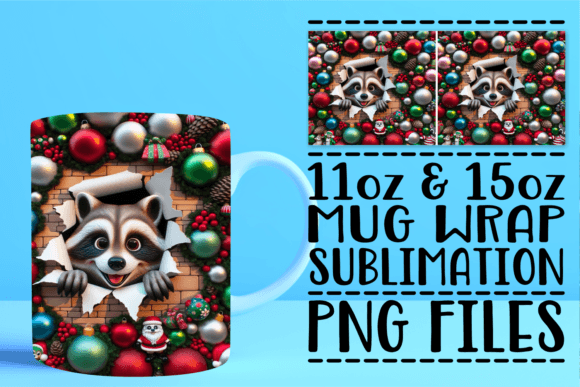
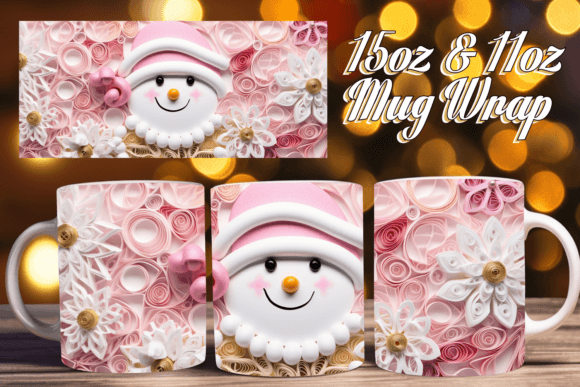
In the competitive landscape of seasonal merchandise and personalized gifting, the efficiency of your design workflow directly impacts profitability and creative output. The Mug Wrap Christmas Adventure in 3D asset collection serves as more than just a decorative element; it functions as a foundational component within a broader sublimation production pipeline. For creators, small business owners, and hobbyists, understanding how to leverage these specific digital assets requires a shift from viewing them as simple clip art to treating them as precision manufacturing inputs. This resource is designed to streamline the transition from digital concept to physical product, specifically for 11oz and 15oz ceramic vessels.
Effective utilization of this file set demands a pre-existing proficiency in sublimation mechanics. It is not an instructional course on heat pressing or color management but rather a professional-grade asset intended for users who have already established their technical baseline. Before integrating Mug Wrap Christmas Adventure in 3D into your queue, you must verify that your software ecosystem and hardware setup are calibrated for high-resolution PNG integration. This distinction ensures that the asset performs as intended within your specific operational context, minimizing wasted materials and production time.
Pre-Production Assessment and Technical Compatibility
The success of any sublimation project begins long before the heat press reaches temperature. When incorporating the Mug Wrap Christmas Adventure in 3D designs, the initial phase involves rigorous compatibility checking. These files are engineered at 300 DPI, which is the industry standard for photorealistic print quality. However, resolution alone does not guarantee a seamless fit. Users must assess their current design software’s ability to handle large-format PNGs without compression artifacts or color profile shifts.
Workflow integration starts with file organization. Because this download includes two distinct sizes optimized for 11oz and 15oz mugs, establishing a clear naming convention and folder structure is essential. Misidentifying a wrap size during the printing phase is a common bottleneck that leads to material waste. By categorizing these assets immediately upon download, you reduce cognitive load during high-volume production periods. Furthermore, ensure your printer settings are configured to mirror image and use the correct ICC profiles for your specific sublimation ink and paper combination. The asset provides the visual data, but your equipment configuration dictates the final fidelity.
Software Requirements and Asset Management
To manipulate these templates effectively, your software stack must support transparent PNG layers and precise dimension locking. Programs like Adobe Photoshop, Affinity Photo, or specialized RIP software are typically required to maintain the integrity of the 300 DPI specification. Basic image viewers or entry-level editors may inadvertently downsample the image, resulting in pixelation when printed at full scale. Verify that your workspace canvas matches the exact dimensions of the provided wraps before importing additional elements.
- Canvas Verification: Always confirm pixel dimensions against physical measurements before editing.
- Color Space Consistency: Ensure your document is set to the appropriate RGB or CMYK profile as dictated by your printer manufacturer.
- Layer Preservation: Keep the original template on a locked background layer to prevent accidental distortion during customization.
- Export Protocols: Save working files separately from print-ready files to maintain a non-destructive editing history.
Customization Within Established Design Systems
The Mug Wrap Christmas Adventure in 3D files are structured to serve as versatile bases for customization. In a professional workflow, these templates act as a scaffold upon which personalized text, logos, or additional graphics can be layered. The "3D" aspect of the design implies depth and perspective that flat vectors often lack, requiring careful consideration when adding new elements. New additions must respect the existing lighting and shadow logic of the base wrap to maintain visual cohesion.
During the creative execution phase, efficiency comes from using smart objects or linked files where possible. If you are producing a series of mugs with different names but identical backgrounds, linking the Mug Wrap Christmas Adventure in 3D base allows for global updates across multiple projects. This reduces file size and ensures consistency across a product line. Additionally, because these are high-resolution PNGs, they offer flexibility in scaling down for smaller applications like coasters or ornaments, provided the aspect ratio remains compatible. However, scaling up beyond the native 11oz or 15oz specifications is not recommended, as it will degrade the 300 DPI threshold necessary for crisp sublimation results.
Quality Control and Print Preparation
Before committing to a full production run, implement a validation step specifically for these assets. Digital proofs do not always translate perfectly to sublimated surfaces due to the unique interaction between gas-phase inks and polymer coatings. Create a test strip or a single prototype mug to evaluate color accuracy, alignment, and edge-to-edge coverage. The Mug Wrap Christmas Adventure in 3D designs are sized precisely, but variations in mug manufacturing tolerances or paper trimming can affect the final outcome.
This testing phase also serves to calibrate your heat press pressure and timing relative to the ink density of the specific artwork. Complex 3D renders often contain rich gradients and deep shadows that may require slight adjustments to standard press settings to avoid ghosting or uneven transfer. Documenting these variables creates a repeatable standard operating procedure (SOP) for future use, transforming a one-time purchase into a reliable, long-term production asset.
Post-Production Support and Resource Boundaries
Understanding the scope of support is critical for maintaining workflow continuity. The provider’s assistance for Mug Wrap Christmas Adventure in 3D is explicitly limited to issues regarding the digital files themselves. This includes corrupted downloads, resolution discrepancies, or sizing errors within the delivered PNGs. It does not extend to troubleshooting sublimation techniques, printer maintenance, or third-party software tutorials. Recognizing this boundary allows professionals to allocate resources appropriately; technical process questions should be directed to equipment manufacturers or community forums, while asset-specific inquiries go directly to the creator.
This delineation reinforces the expectation that users possess independent competency in sublimation processes. For entrepreneurs and educators, this means having internal documentation or external training resources ready to bridge any skill gaps. Relying solely on asset providers for process education creates a fragile workflow vulnerable to delays. Instead, treat the asset support channel as a specialized resource for ensuring the raw material meets specifications, keeping your broader operational knowledge self-sufficient.
Long-Term Integration and Value Maximization
Beyond the immediate holiday season, consider how these assets fit into your archival system. High-quality 3D wraps retain value for retrospective projects, sample portfolios, or off-season promotions. Organizing the Mug Wrap Christmas Adventure in 3D files within a centralized digital asset management (DAM) system facilitates easy retrieval. Tagging files with metadata such as "300 DPI," "Sublimation," "11oz," and "3D Render" enhances searchability when scaling operations or onboarding new team members.
Furthermore, analyze the performance of products created with these wraps to inform future purchasing decisions. Did the 3D aesthetic resonate with your target demographic? Was the file format compatible with your fastest production methods? Gathering this data transforms a simple transaction into strategic market research. By systematically evaluating how digital assets perform within your unique business ecosystem, you refine your selection criteria and optimize future workflows for greater efficiency and higher quality outcomes.
Ultimately, the successful deployment of Mug Wrap Christmas Adventure in 3D relies on preparation, technical alignment, and disciplined execution. When integrated thoughtfully, these high-resolution templates elevate the perceived value of finished goods while streamlining the design-to-print transition. By respecting the technical requirements and support boundaries outlined by the creator, professionals can confidently incorporate these assets into their repertoire, ensuring both creative satisfaction and operational excellence.