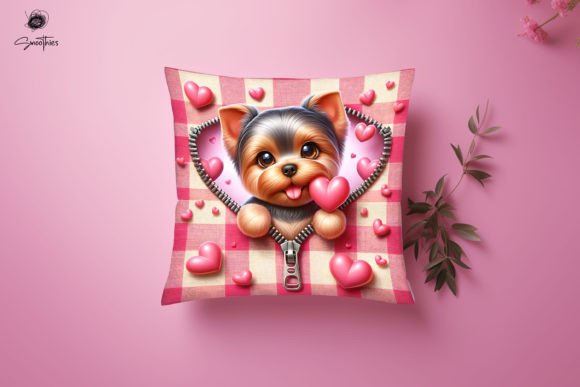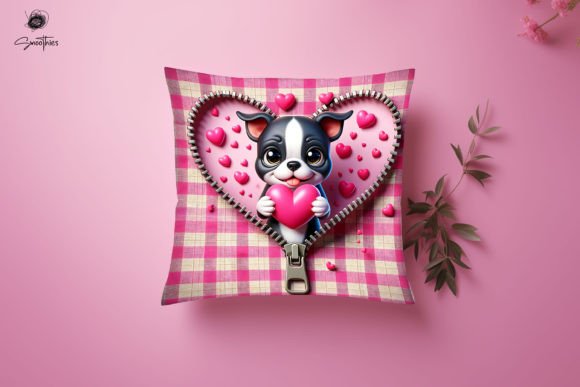
Integrating 3D Zipper Dog Valentine Pillow PNG 22 Into Your Creative Production Workflow
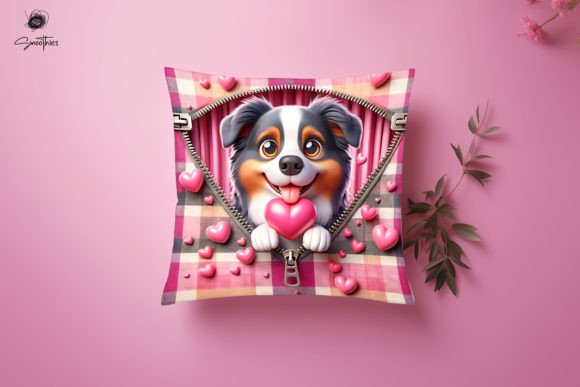
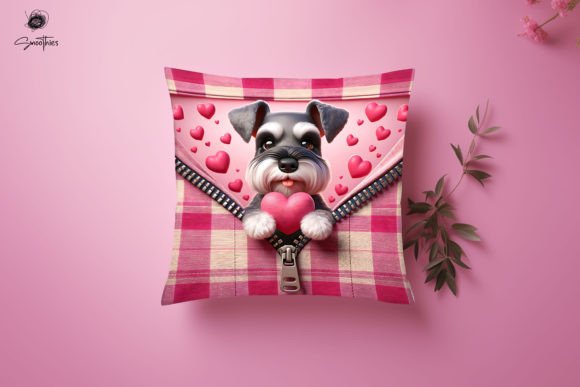
For creators, print-on-demand entrepreneurs, and hobbyists managing seasonal product lines, asset selection is a strategic decision that impacts production speed and final output quality. The 3D Zipper Dog Valentine Pillow PNG 22 serves as a specialized digital component within this ecosystem. Rather than viewing this file merely as a standalone image, it is more effective to approach it as a high-fidelity production asset designed for specific manufacturing workflows. Understanding the technical specifications and practical applications of this 4000x4000 pixel resource allows users to streamline their design phase, reduce pre-press errors, and maintain consistency across various merchandise categories ranging from textiles to paper goods.
Technical Specifications and Pre-Press Preparation
Before integrating any digital asset into a physical production line, verifying technical compatibility is essential to avoid costly reprints or wasted materials. This specific ZIP file contains a PNG formatted at 4000x4000 pixels with a resolution of 300 DPI. These metrics are significant because they represent the industry standard for high-quality sublimation and direct-to-garment (DTG) printing. At 300 DPI, this file supports print dimensions up to approximately 13.3 inches by 13.3 inches without interpolation or pixelation. For professionals planning larger format wall art or oversized pillows, understanding this native size constraint prevents the degradation of image sharpness that occurs when upscaling raster graphics beyond their optimal threshold.
The transparency inherent in the PNG format facilitates efficient layering within design software such as Adobe Photoshop, Affinity Designer, or Canva. Unlike JPEGs, which flatten backgrounds and introduce compression artifacts, this PNG preserves clean edges around the 3D zipper dog illustration. This characteristic is critical during the composition phase, allowing designers to place the graphic over colored fabrics, patterned backgrounds, or textured paper stocks without requiring tedious background removal processes. When preparing files for sublimation, maintaining this transparency ensures that only the intended ink is transferred to the substrate, preserving the fabric's natural hand-feel and reducing unnecessary ink saturation in negative spaces.
Workflow Integration for Sublimation and Textile Printing
Sublimation printing requires precise color management and heat press parameters. When utilizing the 3D Zipper Dog Valentine Pillow PNG 22 for textile applications like t-shirts, bags, or pillow covers, the file acts as the master template. Because colors may vary between devices and printers, establishing a consistent color profile workflow is necessary. Professionals should soft-proof the PNG using the specific ICC profile associated with their sublimation printer and ink combination before committing to a final print. This step bridges the gap between RGB screen display and CMYK/sublimation ink output, ensuring the vibrant Valentine’s palette translates accurately onto polyester substrates.
During the production planning stage, consider the placement and scale relative to the garment or item construction. For zipper pouches or pillowcases, account for seam allowances and zipper hardware zones. The high-resolution nature of this asset allows for flexible positioning; however, designers must ensure critical visual elements do not fall into stitch lines or fold areas. Creating a physical mockup or using accurate digital templates helps visualize the final product. Since this file is optimized for sublimation, it pairs best with white or light-colored polyester materials. Attempting to use this specific PNG on dark cotton garments would require additional processing steps, such as adding a white underbase layer or using heat transfer vinyl overlays, which falls outside the file's primary intended use case.
Adapting Assets for Paper Goods and Stationery
Beyond textiles, this asset integrates seamlessly into paper-based workflows for birthday cards, scrapbooks, and party decorations. The 300 DPI resolution is equally vital here, as commercial printing standards for stationery mirror those of textile printing. When designing greeting cards, the 4000x4000 pixel dimension provides ample canvas space to add typography, borders, and personalized messages without crowding the central illustration. For creators producing digital downloads or printable party kits, this resolution ensures customers receive a crisp image regardless of whether they print at home or through a professional service.
In scrapbooking and frame artwork contexts, the file’s versatility supports both digital and hybrid layouts. Digital scrapbookers can resize the asset non-destructively within their albums, while traditional crafters can print the element at various scales to create focal points or accent pieces. It is important to note that while the file is high resolution, repeated resizing down and then back up will degrade quality. Best practice involves keeping the original master file intact and creating working copies for specific projects. This organizational habit preserves the asset's longevity and ensures future projects benefit from the original source quality.
Understanding Limitations and File Management
Efficient workflow management also involves recognizing what an asset cannot do. A crucial operational detail for this product is that there are NO cutting files included. This distinction fundamentally changes how the asset interacts with vector-based cutting machines like Cricut or Silhouette. Users intending to create stickers or vinyl decals cannot simply load this PNG into cutting software and expect automatic trace results. Instead, this file requires manual tracing or conversion if a cut line is needed. Alternatively, many creators utilize the "print-then-cut" feature, where the PNG is printed first and the machine cuts around the printed perimeter based on registration marks. Recognizing this limitation upfront prevents frustration and allows for proper tool selection during the project planning phase.
File organization plays a subtle but important role in long-term efficiency. Upon downloading the ZIP file, extract the contents immediately and rename the PNG with descriptive metadata relevant to your internal cataloging system. Relying on generic filenames like "PNG 22" creates friction when searching through extensive asset libraries months later. Tagging the file with attributes such as "Valentine," "Dog," "3D Style," "Sublimation," and "4000px" enables rapid retrieval. Storing the master file in a cloud-synced folder ensures access across multiple workstations and provides backup redundancy, safeguarding against data loss during busy seasonal production periods.
Quality Control and Output Consistency
Maintaining brand consistency and product quality requires systematic testing. As noted in the product details, colors may vary between devices and printers. This variability is not a defect but a reality of digital-to-physical translation. Implementing a standardized test print protocol helps mitigate this risk. Before launching a new Valentine’s collection featuring this zipper dog design, run calibration tests on your specific media. Document the heat press temperature, time, and pressure settings that yield the best color match for this particular graphic. Over time, these notes become valuable institutional knowledge, reducing setup time for future runs and minimizing waste from trial-and-error adjustments.
For sellers offering finished products, photographing the final output accurately is as important as the printing process itself. The 3D aesthetic of the illustration should be complemented by product photography that showcases texture and scale. Using the same high-resolution source file for marketing materials ensures visual coherence between the listing images and the physical item received by the customer. If creating mockups for e-commerce listings, ensure the mockup resolution matches or exceeds the source file to avoid presenting a blurry representation of a sharp product. This attention to detail builds trust and reduces return rates caused by unmet expectations regarding print clarity.
Strategic Application Across Product Lines
The true value of the 3D Zipper Dog Valentine Pillow PNG 22 lies in its adaptability across different revenue streams and creative outlets. For small business owners, this single asset can anchor an entire seasonal campaign. By pairing it with complementary typography or secondary design elements, creators can develop cohesive collections spanning apparel, home decor, and stationery. This cross-category application maximizes the return on investment for the asset while providing customers with matching options that encourage higher average order values.
Educators and community organizers can leverage this asset for non-commercial or low-stakes projects such as classroom valentines, workshop materials, or event signage. The ease of use associated with PNG files lowers the barrier to entry for non-designers, enabling quick turnaround times for time-sensitive events. However, even in these informal contexts, adhering to basic print preparation principles ensures professional-looking results. Whether producing a single custom gift or a batch of fifty party favors, treating the digital file with respect for its technical parameters guarantees that the charming 3D zipper dog renders exactly as intended, bringing the creative vision to life with precision and reliability.