Critter Wall 3D Mug Wrap: Integrating High-Resolution Assets into Sublimation Workflows
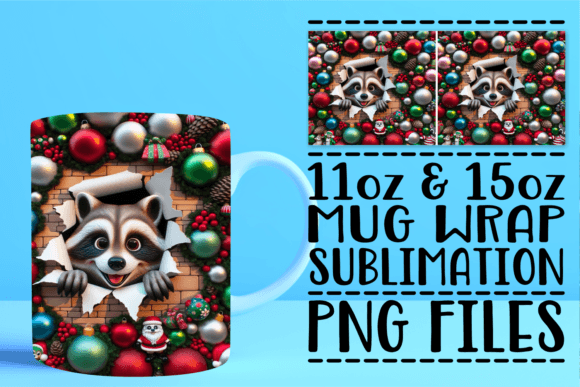
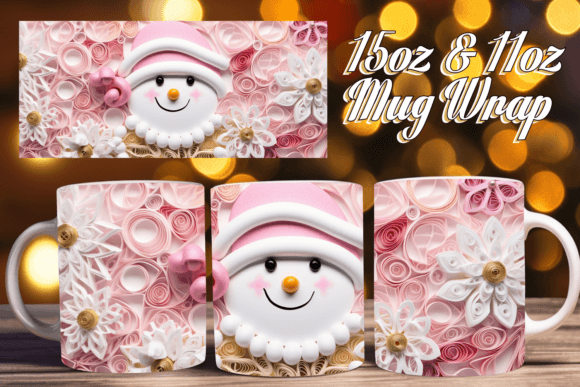
The Critter Wall 3D Mug Wrap serves as a specialized digital asset designed to bridge the gap between creative concept and physical product within the sublimation printing ecosystem. For professionals, small business owners, and hobbyists operating in the personalized merchandise space, this file is not merely an image; it is a production-ready component that fits into a broader manufacturing or creative workflow. Understanding where this asset sits in your process chain is essential for maximizing efficiency and ensuring high-quality output. The wrap provides a pre-configured visual foundation that eliminates the need for complex 3D rendering from scratch, allowing creators to focus on customization and production rather than technical asset generation.
In a practical sense, the Critter Wall 3D Mug Wrap functions as a template layer within your design software. It interacts directly with raster graphics editors like Photoshop, GIMP, or Affinity Photo, serving as the base upon which personalization occurs. Before initiating any project, it is vital to recognize that this asset requires a solid existing grasp of sublimation concepts. It is a tool for execution, not a tutorial for beginners. By integrating this high-resolution PNG into your established workflow, you streamline the transition from digital design to physical press, reducing setup time and maintaining consistency across multiple production runs.
Pre-Production Verification and Technical Compatibility
Successful integration of the Critter Wall 3D Mug Wrap begins long before the heat press is turned on. The pre-production phase is where most workflow bottlenecks occur, often due to incompatible equipment or software limitations. Because support for this product is exclusively limited to file-specific issues, users must independently verify their technical environment. This proactive verification step is a critical quality control measure that prevents wasted materials and missed deadlines.
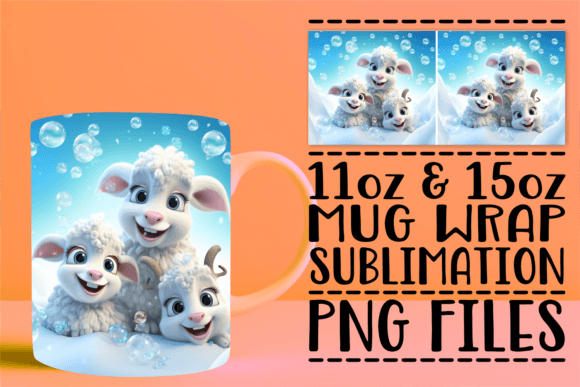
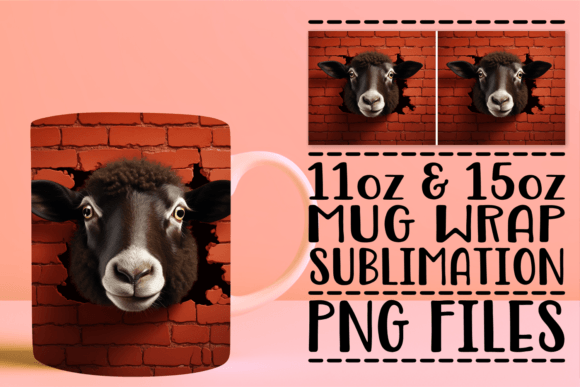
Your software must be capable of handling 300 DPI high-resolution images without degradation. While the included PNG files are optimized for clarity, placing them into a low-resolution document or upsampling them incorrectly can negate their quality advantages. Ensure your canvas size matches the intended output dimensions exactly. For 11oz mugs, the wrap is sized specifically to account for standard curvature and bleed areas. Similarly, the 15oz variant addresses the different aspect ratio required for larger vessels. Attempting to force-fit one size onto another mug type without proper resampling or distortion correction will result in misaligned prints and professional-grade failures.
Equipment compatibility extends beyond software. Sublimation requires specific hardware parameters, including correct pressure settings, temperature profiles, and dwell times that vary by mug coating and press type. The Critter Wall 3D Mug Wrap provides the visual data, but your hardware provides the physical transfer. Users should have tested blank mugs and calibrated presses ready before utilizing premium assets. This separation of concerns—where the designer handles the pixel perfection and the operator handles the thermal dynamics—is fundamental to a scalable production model.
Asset Customization and Design Layering
Once technical compatibility is confirmed, the Critter Wall 3D Mug Wrap enters the active creative phase. The two included PNG files are structured to facilitate non-destructive editing. In a professional workflow, these files should be treated as smart objects or locked background layers. This preserves the integrity of the original 300 DPI source while allowing for flexible experimentation with foreground elements, text overlays, and color grading.
Customization should follow a systematic approach to maintain efficiency. When adding names, logos, or additional graphics, utilize layer masks and blending modes that complement the existing lighting and shadow information embedded in the wrap. The "3D" nature of the design implies simulated depth; flat overlays can break this illusion if not integrated thoughtfully. Adjusting the opacity or applying subtle texture maps to new elements helps them sit naturally within the scene rather than appearing pasted on top. This attention to visual cohesion distinguishes professional merchandise from amateur crafts.
File organization plays a significant role during this stage. Maintain a master file structure that separates the original Critter Wall 3D Mug Wrap assets from client-specific iterations. Naming conventions should reflect both the design version and the target mug size. For entrepreneurs managing multiple SKUs, this organizational discipline reduces retrieval time and minimizes the risk of printing the wrong size variant. The high-resolution nature of these templates means file sizes can be substantial; efficient storage management and backup protocols are necessary components of the digital asset lifecycle.
Production Execution and Quality Control Standards
Transitioning from screen to substrate requires precise execution. The Critter Wall 3D Mug Wrap is optimized for sublimation printing, meaning color management is paramount. Screens emit light using RGB color spaces, while sublimation inks rely on CMYK or specific ICC profiles tailored to your printer and paper combination. Even though the source file is high-quality, failing to convert colors appropriately can lead to muddy shadows or shifted hues that obscure the intricate details of the critter wall design.
During the printing phase, ensure your printer settings are configured for maximum ink density and photo-quality resolution. Draft modes or standard document settings will not utilize the full 300 DPI potential of the wrap. After printing, inspect the transfer paper under consistent lighting before pressing. Any banding, smudging, or color inconsistency at this stage indicates a printer maintenance issue or profile mismatch, not a flaw in the digital asset. Addressing these mechanical variables separately from the design file ensures that troubleshooting remains focused and effective.
Post-press evaluation completes the quality loop. Examine the finished mug for ghosting, uneven transfers, or color washout. If the Critter Wall 3D Mug Wrap appears crisp and vibrant, the asset has performed its function correctly. Documenting successful press parameters alongside the specific file version creates a knowledge base for future production. This feedback loop allows creators to refine their physical process independently of the digital asset, ensuring that the high-resolution template consistently yields premium results regardless of batch size or operator variance.
Support Boundaries and Professional Resource Management
A sustainable creative business relies on clear boundaries regarding support and resource allocation. It is essential to understand that guidance on sublimation processes, equipment troubleshooting, or software tutorials falls outside the scope of support for this product. Assistance is strictly reserved for verifying file integrity, resolving download errors, or addressing corruption within the Critter Wall 3D Mug Wrap assets themselves. This distinction encourages users to develop self-sufficiency and leverage community resources, forums, and manufacturer documentation for process-related inquiries.
For creators who encounter genuine file-related challenges, support is readily available and responsive. Keeping detailed records of the issue—including screenshots of error messages, software version numbers, and steps taken to reproduce the problem—expedites resolution. This professional communication standard applies equally to seeking help and providing feedback. By respecting these support parameters, users contribute to a more efficient ecosystem where the creator can maintain high-quality assets without being overwhelmed by general technical support requests.
Ultimately, the Critter Wall 3D Mug Wrap is a catalyst for productivity. It removes the friction of creating complex 3D environments from zero, allowing professionals to allocate more time to marketing, customer service, and business development. Whether used for seasonal campaigns, custom orders, or portfolio expansion, the asset integrates seamlessly into mature workflows. Success depends not just on the quality of the PNG files, but on the user’s ability to prepare, execute, and manage their production environment with competence and foresight. When these elements align, the result is a streamlined operation that consistently delivers exceptional sublimated products.