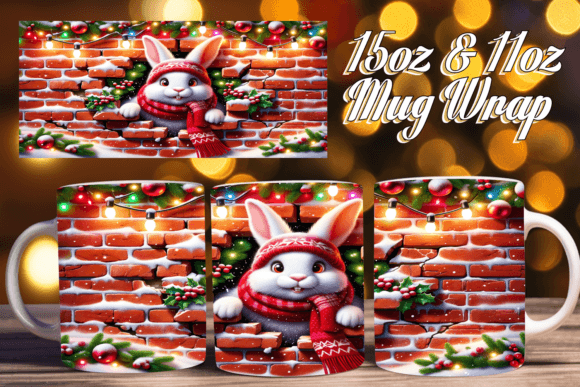
Mastering the 3D Hole in Wall Mug 11oz: A Technical Guide to Sublimation Design and Application
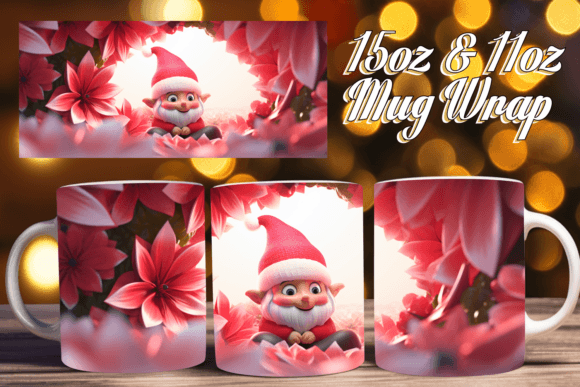
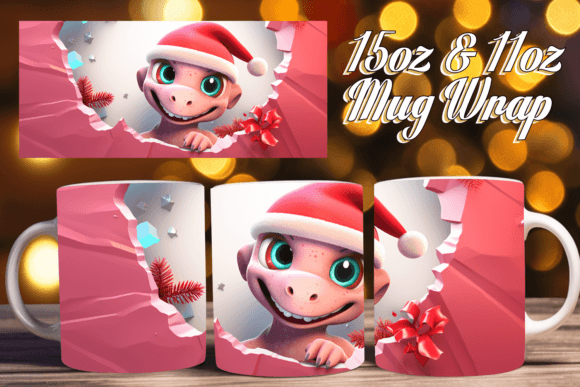
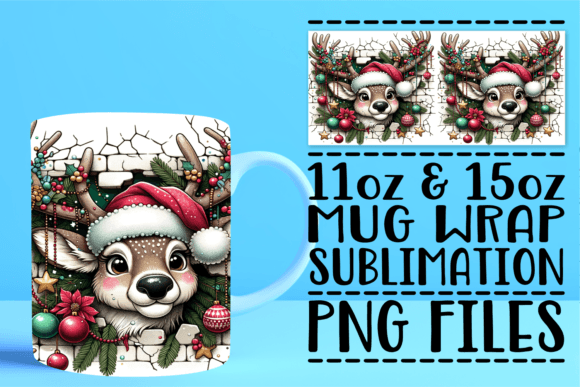
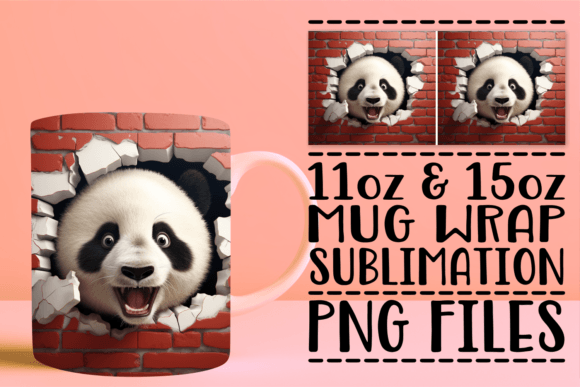
The intersection of optical illusion art and functional ceramics has created a distinct niche within the personalized merchandise market. Among these innovations, the 3D Hole in Wall Mug 11oz stands out as a prime example of how digital design can transform a standard vessel into a conversation piece. Unlike traditional flat sublimation prints that wrap seamlessly around a cylinder, this specific design category relies on precise perspective mapping to create the illusion of depth, shadow, and structural breach. For creators, educators, and business owners entering this space, understanding the technical requirements of the digital assets is just as critical as the physical pressing process.
To effectively utilize this file, it is essential to have a strong grasp of the concept of sublimation. The success of a 3D illusion mug depends entirely on the alignment of high-resolution graphics with the physical curvature of the ceramic. Before making a purchase, please ensure that you have the required software and equipment at your disposal, as guidance on general processes falls outside the scope of file-specific support. My support is exclusively available for addressing any issues specifically related to my files, ensuring that the digital assets you receive are intact and correctly formatted.
Technical Specifications of High-Resolution PNG Templates
The foundation of any successful 3D sublimation project lies in the integrity of the source file. When working with complex visual effects like a hole-in-the-wall illusion, pixel density and color accuracy are non-negotiable. The included download provides two PNG files optimized specifically for sublimation printing, sized to fit both 11oz and 15oz sublimation mug wraps. This dual-sizing capability allows for versatility across different product lines without requiring manual rescaling, which can often degrade image quality or distort the carefully calculated perspective needed for the 3D effect.
All files feature an impressive 300 DPI high-resolution image quality. In the realm of digital-to-physical printing, 300 DPI is the industry standard for photorealistic output. Lower resolution files may appear acceptable on a computer monitor but will reveal artifacts, blurring, or banding once transferred to a glazed ceramic surface. Because the "hole" effect relies on sharp contrast between light and shadow to simulate depth, maintaining maximum resolution ensures that the edges of the illusion remain crisp against the white background of the mug.
- Optimized Color Profile: Files are prepared to translate accurately from RGB screen displays to CMYK-based sublimation inks.
- Perspective Mapping: Graphics are pre-distorted to account for the cylindrical viewing angle of an 11oz mug.
- Seamless Integration: Edges are treated to prevent visible seam lines where the wrap meets itself during pressing.
- Transparent Backgrounds: PNG format allows for easy layering over colored backgrounds or texture overlays if customization is desired.
The Critical Role of Equipment Proficiency
While the digital template provides the visual blueprint, the physical execution requires specialized hardware and operational knowledge. The 3D Hole in Wall Mug 11oz is not a beginner-level project; it demands precision in heat application and positioning. Sublimation is a chemical process where solid dye transitions directly into gas under heat and pressure, bonding permanently with polymer coatings. If the temperature is too low, the transfer will be faint; if too high, the colors may shift or the coating may scorch. Furthermore, the 3D nature of this specific design means that even slight misalignments during the wrapping phase can break the optical illusion, turning a realistic hole into a distorted smudge.
Creators must possess a functional mug press or convection oven setup calibrated for sublimation. Additionally, proficiency in graphic editing software is necessary should you wish to add personalization, such as names or logos, to the provided templates. The PNG templates are high-resolution, 300 dpi files that can be easily customized to meet your requirements, but this customization assumes the user understands layers, masking, and export settings. Because variables such as ambient humidity, paper type, ink brand, and press age differ significantly between workshops, universal processing advice cannot be reliably given. Users are expected to conduct their own test prints to dial in their specific equipment settings before committing to final production runs.
Applications Across Professional and Educational Sectors
The utility of these 3D illusion designs extends far beyond novelty gift shops. Understanding the diverse applications helps justify the investment in premium digital assets and informs marketing strategies for finished products.
Commercial Merchandising and Retail
For business owners and Etsy sellers, the 3D Hole in Wall Mug 11oz offers a higher perceived value than standard text-based mugs. The visual complexity suggests a level of craftsmanship that commands premium pricing. These items perform exceptionally well in niche markets targeting gamers, architects, artists, and fans of surrealist art. The included 15oz variant also allows sellers to offer size options, catering to customers who prefer larger vessels for coffee or tea, thereby increasing average order value.
Educational and Therapeutic Tools
Educators and researchers in psychology or optometry may find these mugs useful as tangible examples of perceptual constancy and depth cues. The way the brain interprets the 2D print as a 3D void demonstrates how visual processing relies on shading and perspective. Similarly, occupational therapists sometimes use visually stimulating objects to engage patients with cognitive or visual processing challenges. Having a durable, dishwasher-safe object that serves this function bridges the gap between clinical tools and everyday items.
Corporate Branding and Events
For corporate gifting, standard logo mugs often end up discarded or unused. A mug featuring a striking 3D graphic alongside a subtle company emblem is more likely to be retained and used daily. The "wow factor" of the hole-in-wall design creates a memorable touchpoint at trade shows, conferences, or employee appreciation events. Because the files are suitable for a wide range of sublimation projects, the same design language can be adapted for coasters, tumblers, or desk accessories to create a cohesive branded suite.
Navigating File Support and Customization Boundaries
Clear communication regarding support boundaries ensures a positive experience for both the creator and the file provider. It is vital to distinguish between technical file issues and procedural execution errors. Should you encounter any challenges with the download itself—such as corrupted files, incorrect sizing, resolution discrepancies, or missing elements—please don’t hesitate to get in touch. I’m here to assist and will happily provide support to resolve any defects in the digital asset.
However, inquiries regarding heat press temperatures, timing, paper selection, or software tutorials cannot be addressed. This policy exists to maintain the highest quality of service for what is actually being sold: the digital design. The sublimation community offers vast resources, forums, and video tutorials for process-related questions. By keeping support focused on the file integrity, users can be confident that any reported issues will be handled swiftly and expertly. Thank you for your purchase, and I hope you have an amazing experience creating unique, eye-catching merchandise with these professional-grade templates.
Best Practices for Maintaining Visual Integrity
Even with perfect files and equipment, certain best practices help preserve the 3D effect throughout the product's lifecycle. When customizing the PNG templates, avoid placing additional elements directly over the shadow gradients that define the hole’s depth. Adding text or logos in these critical zones flattens the image and destroys the illusion. Instead, utilize the negative space above or below the central graphic for personalization.
Storage of the digital files also matters. Always keep the original 300 DPI PNGs in a dedicated folder. Repeatedly opening, editing, and saving JPEG versions will introduce compression artifacts that accumulate over time. Work from the master PNG file for every new project to ensure consistent quality. Additionally, when testing new mug blanks, verify that the coating is rated for sublimation. Some ceramic mugs are coated for vinyl or paint only and will not accept sublimation dye, resulting in a complete failure regardless of file quality.
Ultimately, the 3D Hole in Wall Mug 11oz represents a sophisticated application of digital art in physical manufacturing. Success requires a symbiotic relationship between premium digital assets and skilled craftsmanship. By respecting the technical specifications of the files and acknowledging the learning curve inherent in sublimation printing, creators can produce stunning, professional-quality items that captivate viewers and elevate their product offerings. The combination of high-resolution design, proper equipment, and artistic vision transforms a simple ceramic cup into a lasting piece of functional art.