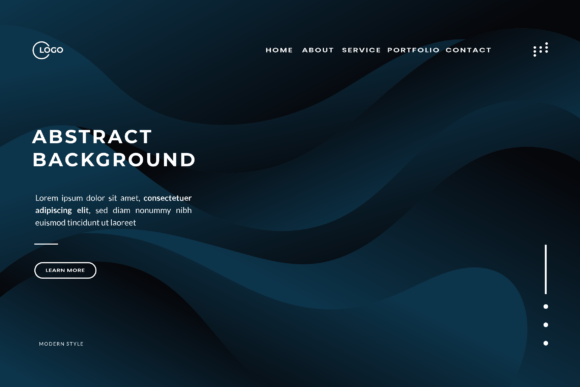
Evaluating 3D Dark Black Abstract Backgrounds for Professional Design Projects
The visual landscape of digital and print design has shifted significantly toward depth, texture, and atmospheric lighting. Within this evolution, the 3D dark black abstract background has emerged as a distinct category that serves specific functional and aesthetic needs. Unlike flat vector patterns or high-key minimalist designs, these backgrounds utilize simulated three-dimensional geometry, volumetric lighting, and complex material properties to create a sense of space without competing with foreground content. For designers, marketers, and content creators aged 20 to 50, understanding the nuance of this style is essential for making informed resource choices. The decision to use a 3D dark black abstract background often comes down to balancing visual impact with practical usability, readability, and brand alignment.
Defining the Aesthetic and Technical Characteristics
To evaluate whether this style fits a current project, one must first distinguish true 3D rendering from 2D imitation. A genuine 3D dark black abstract background is generated using software that calculates light transport, shadows, and surface normals. This results in organic gradients and micro-details that are difficult to replicate with standard photo editing tools. The "dark black" designation does not imply a lack of detail; rather, it refers to a low-key lighting setup where shadows dominate the composition, and highlights are used sparingly to define form.
Key characteristics that define high-quality assets in this category include:
- Volumetric Depth: The perception of layers receding into the distance, which prevents the image from looking like a flat texture overlay.
- Material Realism: Surfaces that mimic matte plastic, brushed metal, velvet, or obsidian, providing tactile cues even on digital screens.
- Controlled Contrast: Highlights are soft and diffused rather than harsh, ensuring that white text placed over the background remains legible without requiring heavy drop shadows.
- Abstract Geometry: Shapes are fluid, geometric, or particle-based rather than representational, allowing the viewer to focus on overlaid messaging rather than interpreting specific objects.
When comparing resources, verify that the asset offers sufficient resolution and dynamic range. Low-quality 3D renders often suffer from banding in the shadow areas or excessive noise, which becomes problematic when printed or viewed on high-density displays.
Comparing Alternatives: When to Choose Dark 3D Over Other Styles
Selecting a background is rarely about finding the "best" image universally, but rather finding the right fit for a specific context. The 3D dark black abstract background occupies a unique middle ground between several other popular design categories. Understanding these tradeoffs helps prevent costly redesigns later.
Versus Flat Minimalist and Vector Art
Flat design and vector art prioritize clarity, speed, and scalability. They are excellent for corporate documentation, instructional interfaces, and brands aiming for approachability. However, flat designs can sometimes lack emotional resonance or perceived value. A 3D dark black abstract background introduces a premium, sophisticated feel that flat vectors cannot achieve. If the goal is to convey luxury, technology, or mystery, the 3D option is superior. Conversely, if the priority is rapid information processing or reducing cognitive load for accessibility, flat design remains the better choice.
Versus Photographic Textures
Real-world photography (e.g., concrete walls, dark fabric, smoke) offers authenticity but carries semantic baggage. A photo of a brick wall implies construction or rustic themes; smoke might imply danger or atmosphere. Abstract 3D renders are semantically neutral. They provide the richness of a photograph without the unintended associations. Furthermore, 3D assets can be customized to match exact brand colors or lighting directions, whereas stock photography requires extensive color grading and manipulation to fit a specific palette.
Versus High-Key and White Backgrounds
White and light gray backgrounds are the industry standard for e-commerce and clean editorial layouts because they maximize contrast for dark text. However, they can cause eye strain in low-light environments and may fail to make colorful product shots pop. Dark backgrounds reduce blue light emission and create a framing effect that draws the eye inward. The tradeoff is accessibility; dark backgrounds require careful typography management to maintain WCAG compliance. If your audience primarily consumes content at night or in dim settings, a 3D dark black abstract background may offer a better user experience than stark white alternatives.
Practical Applications and Best-Fit Scenarios
The versatility of the 3D dark black abstract background makes it suitable for various mediums, but its effectiveness varies by application. Evaluating your specific use case against these common scenarios can guide your selection process.
Web Design and Landing Pages
In web design, these backgrounds excel in hero sections and footer areas. They provide enough visual interest to prevent boredom while remaining dark enough to support white headline text. The depth cues in 3D renders can also subtly guide user attention toward call-to-action buttons. However, caution is required regarding performance. High-resolution 3D images can be large files. For web use, ensure the asset is optimized (WebP or AVIF format) and that the complexity of the render does not distract from navigation elements. Simpler, smoother 3D compositions generally convert better than chaotic, highly detailed ones.
Social Media and Digital Advertising
Social feeds are saturated with bright, high-contrast imagery. A 3D dark black abstract background acts as a pattern interrupt, signaling sophistication and stopping the scroll. This style is particularly effective for tech products, financial services, fashion, and entertainment. When creating carousel posts or stories, the consistent depth of a 3D background creates a cohesive narrative thread across multiple slides. Compare this with using disparate stock photos, which can make a campaign feel disjointed.
Print Media and Large Format
Printing on dark backgrounds presents technical challenges that digital design does not. Ink saturation, paper stock, and color profiles matter immensely. A 3D dark black abstract background intended for print must have rich, deep blacks (often requiring CMYK conversion or spot varnishes) rather than washed-out grays. The advantage in print is tactile; when combined with spot UV or embossing, the simulated 3D depth of the image translates into actual physical texture. This combination is ideal for business cards, premium packaging, and event posters where perceived value is paramount.
Evaluating Quality and Licensing Considerations
Not all 3D dark black abstract backgrounds are created equal. When researching options, apply these evaluation criteria to distinguish professional-grade assets from amateur renders:
- Lighting Consistency: Does the light source make sense? Professional renders have coherent lighting that creates believable shadows. Amateur renders often have flat or contradictory lighting that breaks immersion.
- Noise and Artifacting: Zoom in to 100%. Are the shadow areas smooth, or are they filled with digital grain? Noise in dark areas is notoriously difficult to fix in post-production without losing detail.
- Composition Balance: Is there adequate negative space? A beautiful 3D render is useless if the focal point sits exactly where you need to place your logo or headline. Look for assets designed specifically as backgrounds, not just standalone art.
- Licensing Flexibility: Check whether the license covers commercial use, modification, and multi-platform distribution. Some generative AI platforms or stock sites have restrictive terms regarding trademarking or exclusive use. If brand uniqueness is critical, consider commissioning a custom render or verifying that the asset allows for significant derivative work.
Potential Limitations and Decision Factors
While aesthetically compelling, the 3D dark black abstract background is not a universal solution. There are specific situations where this choice may be counterproductive.
Accessibility Concerns: Dark backgrounds inherently reduce contrast ratios. If your content includes small body text, intricate data visualization, or users with visual impairments, a dark background may hinder comprehension. Always test text overlays against the specific area of the background where they will sit, not just the average brightness of the image.
Brand Tone Mismatch: Dark, moody 3D aesthetics communicate seriousness, exclusivity, or futurism. They are generally ill-suited for brands focused on health, wellness, children’s products, sustainability, or transparency. In these contexts, the heaviness of a dark 3D background can create cognitive dissonance with the brand message.
Reproduction Risks: As noted with print, reproducing deep blacks consistently across different devices and materials is challenging. An image that looks stunning on an OLED monitor may appear muddy on a standard office printer or a cheap promotional item. If cross-media consistency is the primary KPI, lighter or mid-tone backgrounds are safer bets.
Ultimately, the decision to utilize a 3D dark black abstract background should be driven by project objectives rather than trend adherence. By weighing the atmospheric benefits against accessibility requirements, technical constraints, and brand alignment, professionals can leverage this powerful aesthetic tool effectively. The goal is to enhance communication, not merely decorate a canvas. When selected with intention and evaluated against practical alternatives, these backgrounds provide a timeless foundation for modern visual storytelling.